Spiritual Realm Delhi: Where Delhi’s Spiritual Heritage Meets Immersive Gaming
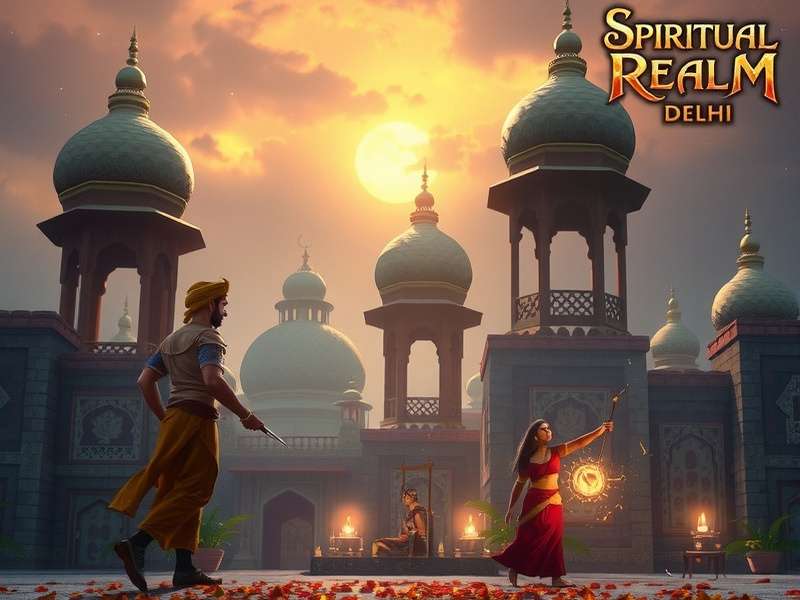
Official cover art of Spiritual Realm Delhi, showcasing iconic Delhi landmarks blended with mystical elements 🕉️
Overview
Spiritual Realm Delhi is not just another game in the crowded Indian gaming market—it’s a cultural phenomenon that bridges the gap between traditional spiritual practices and modern gaming technology. Developed by Daman Games Studios, this open-world action-adventure title takes players on a journey through the heart of Delhi, reimagined as a realm where ancient spirituality and contemporary life coexist in perfect harmony. For desi gamers who’ve long craved a title that reflects their cultural roots, this game is nothing short of a dream come true.
Set in a meticulously crafted version of Delhi—from the bustling streets of Chandni Chowk to the serene premises of Akshardham Temple, from the historic Red Fort to the modern skyline of Connaught Place—Spiritual Realm Delhi offers an experience that’s both familiar and fantastical. Players step into the shoes of a young protagonist who discovers they possess a unique spiritual gift: the ability to communicate with celestial beings, harness divine energy, and unravel the mysteries of Delhi’s hidden spiritual past.
📌 Core Premise: As a spiritual seeker, your mission is to protect Delhi from a rising darkness that threatens to erase its spiritual legacy. Along the way, you’ll learn ancient yoga asanas, perform aarti at sacred sites, solve puzzles rooted in Indian mythology, and interact with a cast of characters inspired by real-life Delhiites—from pandits and sadhus to street vendors and college students.
What sets Spiritual Realm Delhi apart from other open-world games is its authenticity. The development team spent over three years researching Delhi’s history, visiting spiritual sites, consulting with scholars of Indian mythology, and collaborating with local artists to ensure every detail—from the architecture of temples to the dialects of NPCs—feels true to life. This commitment to cultural accuracy has resonated deeply with players, who’ve praised the game for making them feel seen and represented in a gaming landscape dominated by Western titles.
Whether you’re a casual gamer looking for a relaxing experience or a hardcore enthusiast seeking challenging gameplay, Spiritual Realm Delhi has something to offer. The game’s flexible difficulty settings, engaging side quests, and richly detailed world make it accessible to players of all skill levels, while its deep spiritual themes and cultural references provide layers of meaning that reward repeated playthroughs.
Gameplay
At its core, Spiritual Realm Delhi is an open-world action-adventure game with RPG elements, but what truly makes its gameplay stand out is the integration of spiritual mechanics that feel both innovative and intuitive. Unlike traditional games where combat is centered around weapons and brute force, here, players rely on spiritual energy—known as prana—to overcome challenges, solve puzzles, and defeat enemies.
Core Mechanics
The game’s combat system is built around three key spiritual practices: Yoga, Meditation, and Mantras. Each practice grants the player unique abilities that can be upgraded as they progress through the game. For example, mastering the Bhujangasana (Cobra Pose) unlocks the ability to shoot energy beams from your hands, while Anulom Vilom (Alternate Nostril Breathing) enhances your prana regeneration rate.
Meditation plays a crucial role in the game—players can pause at any time to meditate at sacred sites, which not only replenishes their prana but also reveals hidden secrets and clues about the game’s lore. Mantras, meanwhile, are powerful incantations that can be used to heal allies, repel enemies, or manipulate the environment. Each mantra is derived from ancient Sanskrit texts, and the game provides context about their meaning and significance, adding an educational layer to the gameplay.
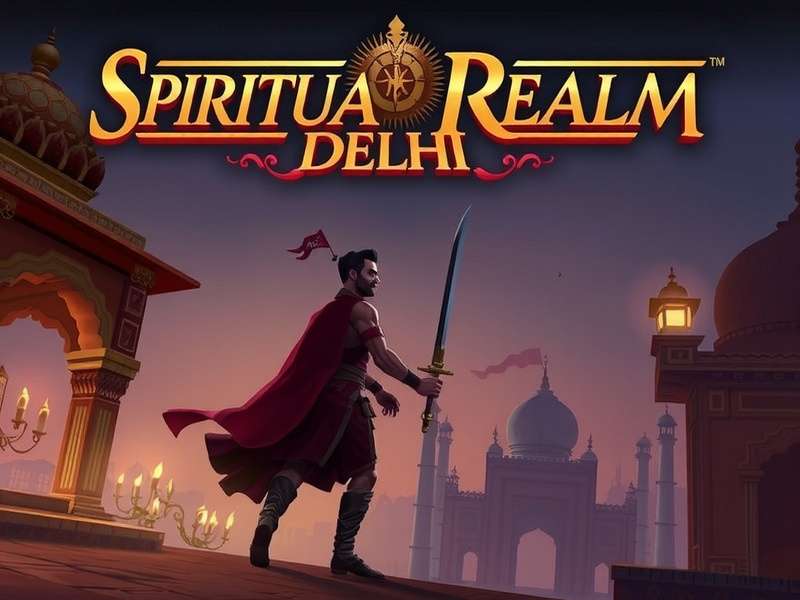
Gameplay screenshot showing the protagonist using Yoga-based abilities to combat dark forces 🏋️♂️
Open-World Exploration
Delhi’s open world in Spiritual Realm Delhi is a joy to explore, with each neighborhood offering a distinct vibe and unique activities. Chandni Chowk, for instance, is a chaotic maze of narrow streets lined with food stalls and shops—here, players can participate in a Holi celebration, help a vendor find his stolen goods, or learn to make lassi from a local expert. Akshardham Temple, on the other hand, is a peaceful sanctuary where players can perform aarti, solve puzzles based on Hindu scriptures, and interact with celestial beings.
The game’s world is filled with environmental storytelling—every wall, statue, and sign has a story to tell. For example, a graffitied wall in Shahpur Jat might hint at a hidden spiritual hotspot, while a crumbling monument in Mehrauli could hold the key to a side quest. Players are encouraged to explore off the beaten path, as many of the game’s best secrets are hidden in unlikely places.
Progression System
Spiritual Realm Delhi features a deep and rewarding progression system that allows players to customize their protagonist’s abilities based on their playstyle. As you complete quests and master spiritual practices, you earn spiritual points that can be used to unlock new yoga asanas, mantras, and meditation techniques. You can also collect sacred artifacts—such as shivlings, rudrakshas, and OM symbols—that boost your stats and grant special abilities.
The game also includes a reputation system, where your actions affect how NPCs interact with you. Helping a sadhu in Varanasi Colony might earn you the respect of the local spiritual community, unlocking exclusive quests and rewards, while ignoring a street child’s plea for help could damage your reputation and make certain areas of the game harder to access. This system adds a layer of moral choice to the gameplay, encouraging players to act with compassion and empathy—values that are central to Indian spirituality.
Side Quests & Activities
One of the game’s greatest strengths is its wealth of side quests and activities, which offer a break from the main story while deepening the player’s connection to the world. Some side quests are lighthearted—like helping a wedding planner find a missing elephant for a traditional Delhi wedding—while others are more profound, such as helping a grieving mother find closure by performing a puja at the Lotus Temple.
Other activities include:
-
Spiritual Workshops: Attend workshops led by NPCs to learn new yoga poses and mantras.
-
Festival Celebrations: Participate in in-game festivals like Diwali, Holi, and Navratri, which feature unique mini-games and rewards.
-
Herb Collection: Gather rare herbs from around Delhi to create healing potions and spiritual remedies.
-
Cultural Tours: Join guided tours of Delhi’s historic sites, narrated by NPCs who share fascinating facts about the city’s history.
These side activities are not just filler—they’re integral to the game’s theme of cultural preservation. By participating in them, players learn about Indian traditions and spiritual practices in a fun and engaging way, making Spiritual Realm Delhi as educational as it is entertaining.
Story & Lore
The story of Spiritual Realm Delhi is rooted in Delhi’s rich history and mythology, weaving together real events and fictional elements to create a narrative that’s both epic and intimate. The game’s lore is based on the idea that Delhi is a spiritual nexus—a place where the boundaries between the mortal world and the divine are thin. For centuries, this nexus has been protected by a line of spiritual guardians, but now, a dark force known as the Andhkar (Darkness) is threatening to break through and plunge the city into chaos.
Backstory
According to the game’s lore, Delhi was founded by the Pandavas during the Mahabharata era, who recognized its spiritual potential and built sacred sites to channel prana from the earth. Over the centuries, rulers from the Mughal Empire, the British Raj, and modern India have added their own layers to the city’s spiritual tapestry, creating a unique blend of Hindu, Muslim, Sikh, and Christian traditions. This diversity is reflected in the game’s world, where temples, mosques, gurdwaras, and churches coexist and each plays a role in protecting the city’s spiritual balance.
The Andhkar is an ancient evil that feeds on negativity—greed, hatred, and ignorance. It was first sealed away by the Pandavas, but modern-day pollution, urbanization, and spiritual apathy have weakened the seal. As the Andhkar grows stronger, it begins to corrupt the city’s spiritual sites, turning peaceful temples into haunted places and ordinary people into angry, violent beings.
📜 Lore Trivia: The game’s lore draws inspiration from Delhi’s lesser-known myths, such as the legend of the Yaksha who guards the Yamuna River, and the story of Saint Nizamuddin Auliya who could communicate with animals. These myths are brought to life through side quests and environmental storytelling, making the game’s world feel rich and lived-in.
Plot Arcs
The game’s main story is divided into three acts, each focusing on a different part of Delhi and a different aspect of the Andhkar threat:
Act 1: Awakening in Chandni Chowk
The game begins with the protagonist—an orphaned college student named Arjun (or Arpita, depending on your gender choice)—living in a small room above a lassi shop in Chandni Chowk. One night, during a severe thunderstorm, Arjun/Arpita has a vivid dream where they’re visited by a celestial being known as the Devi of Light. The Devi reveals that they are the next in line of Delhi’s spiritual guardians and tasks them with stopping the Andhkar.
Armed with this newfound knowledge, Arjun/Arpita begins their journey by exploring Chandni Chowk, learning basic yoga asanas from a local pandit, and helping residents affected by the Andhkar’s corruption. The first act culminates in a showdown with a corrupted street vendor who has been possessed by the Andhkar, after which Arjun/Arpita unlocks their first mantra and gains the trust of the local spiritual community.
Act 2: Journey to Akshardham
In the second act, Arjun/Arpita travels to Akshardham Temple, where the Andhkar has begun to corrupt the temple’s sacred energy. Here, they meet a wise sadhu named Swami Vivekananda (a nod to the real-life spiritual leader), who teaches them advanced meditation techniques and reveals the true nature of the Andhkar: it is not just an external threat, but a manifestation of humanity’s own spiritual ignorance.
The second act is filled with emotional moments, such as helping a family reconcile after being torn apart by the Andhkar’s corruption, and uncovering a hidden library beneath the temple that contains ancient texts about Delhi’s spiritual history. The act ends with a major boss battle against the Andhkar’s Lieutenant, a corrupted celestial being who once guarded Akshardham.
Act 3: The Final Showdown at Red Fort
The third and final act takes Arjun/Arpita to the Red Fort, where the Andhkar has concentrated its power to break the final seal. Here, they must gather allies from across Delhi—including pandits, imams, gurus, and ordinary citizens—to perform a grand puja that will re-seal the Andhkar. The final showdown is an epic battle that combines all the spiritual abilities the player has learned, as well as the help of their allies.
The game’s ending is bittersweet but hopeful. While the Andhkar is sealed away, Arjun/Arpita realizes that the threat will always exist as long as people neglect their spiritual selves. They vow to continue protecting Delhi’s spiritual balance, and the game ends with a scene of them leading a group of children in meditation at the Lotus Temple—symbolizing the passing of knowledge and the hope for a more spiritual future.
Cultural Integration
What makes the story of Spiritual Realm Delhi so compelling is how seamlessly it integrates real-life cultural elements into its narrative. For example, the game’s portrayal of Diwali is not just a backdrop for gameplay—it’s a key plot point, where players must light diyas at sacred sites to repel the Andhkar’s darkness. Similarly, the Holi celebration in Connaught Place is a moment of unity, where players must work with people of different faiths to spread joy and positivity, weakening the Andhkar’s hold on the city.
The game also addresses important social issues, such as pollution, urbanization, and religious intolerance, through its narrative. For example, one side quest involves cleaning up the Yamuna River, which has been polluted by industrial waste, while another quest requires mediating a dispute between Hindus and Muslims in Old Delhi. These quests are handled with sensitivity and respect, encouraging players to think about real-world issues in a new light.
Characters
Spiritual Realm Delhi features a diverse cast of characters, each with their own unique personalities, backstories, and motivations. From the protagonist to the NPCs you meet on the streets, every character feels like a real person—someone you might encounter in Delhi on any given day. The game’s voice acting is top-notch, with actors from Delhi lending their voices to the characters, ensuring that the dialects and mannerisms feel authentic.
Protagonist: Arjun/Arpita
The protagonist—whom you can name and customize (with a range of traditional Indian clothing options, from kurta-pajamas to salwar kameez)—is a relatable and likable character. Arjun/Arpita is a college student studying history, with a passion for Delhi’s culture and a deep sense of empathy. They’re not a superhero—at first, they’re skeptical of their spiritual gift and unsure if they’re capable of saving the city. But as the game progresses, they grow into their role as a spiritual guardian, learning to trust their instincts and embrace their heritage.
What makes the protagonist stand out is their humility. Unlike many gaming protagonists who are arrogant or overly confident, Arjun/Arpita is kind, respectful, and always willing to learn from others. They listen to the advice of elders, help those in need, and never hesitate to admit when they’re wrong. This makes them a refreshing change from the typical action hero and aligns with the game’s spiritual themes of humility and compassion.
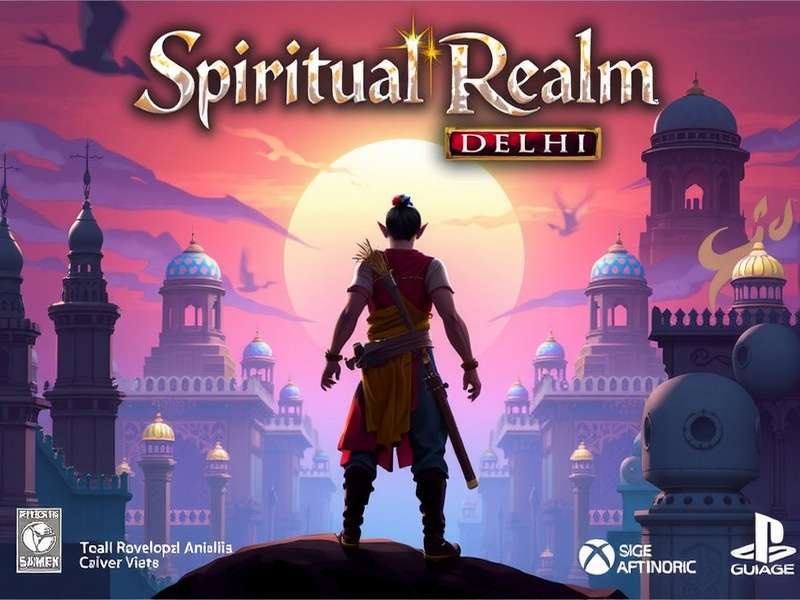
The customizable protagonist, Arjun/Arpita, wearing traditional Indian attire while meditating 🧘♂️
Key Allies
Throughout your journey, you’ll be joined by a group of allies who will help you in your quest to defeat the Andhkar. Each ally brings a unique set of skills and perspectives to the team:
-
Swami Vivekananda: A wise sadhu who lives in Akshardham Temple. He is the protagonist’s mentor, teaching them advanced meditation techniques and sharing knowledge about Delhi’s spiritual history. Swami Vivekananda is calm, patient, and has a great sense of humor—he often uses parables to explain complex spiritual concepts.
-
Zara Khan: A young journalist from Jamia Nagar who is investigating the strange occurrences in Delhi. Zara is sharp, curious, and unafraid to speak her mind. She helps the protagonist gather information about the Andhkar and uses her platform to spread awareness about spiritual practices.
-
Rajesh “Raj” Mehta: A street-smart vendor from Chandni Chowk who sells lassi and samosas. Raj is the protagonist’s best friend—he’s funny, loyal, and always has a jugaad (solution) for every problem. He helps the protagonist navigate the streets of Delhi and provides comic relief during tense moments.
-
Mataji Devi: An elderly woman who runs a shelter for orphaned children in Vasant Vihar. Mataji Devi is a powerful spiritual healer—she can heal the protagonist’s wounds and provide guidance during difficult times. She is kind, compassionate, and has a deep connection to the divine.
Antagonists
The game’s antagonists are not just one-dimensional villains—they’re complex characters with motivations that are often rooted in pain or misunderstanding. This makes them more compelling and adds depth to the game’s narrative:
-
The Andhkar: The main antagonist, a formless entity that feeds on negativity. The Andhkar is not inherently evil—it’s a natural force that has been corrupted by humanity’s spiritual apathy. Throughout the game, you learn that the Andhkar can be reasoned with, and some players choose to spare it, opting to heal rather than destroy.
-
Rakesh Sharma: A wealthy industrialist who is responsible for polluting the Yamuna River. Rakesh is not a villain in the traditional sense—he’s a man who has prioritized profit over the environment and spiritual well-being. As the game progresses, you can choose to either defeat him or convince him to change his ways, leading to different endings.
-
The Corrupted Celestial: A former guardian of Akshardham Temple who was corrupted by the Andhkar. This character is tragic—they once dedicated their life to protecting Delhi’s spiritual balance, but they grew disillusioned by humanity’s ignorance and allowed the Andhkar to take over. Defeating them is one of the game’s most emotional moments, as you’re forced to confront the consequences of spiritual apathy.
NPCs
The game’s NPCs are some of the most memorable aspects of Spiritual Realm Delhi. From the pandit who teaches you yoga to the street child who guides you to hidden treasures, every NPC has a story to tell. The developers have gone to great lengths to make the NPCs feel realistic—they have daily routines, opinions about current events, and unique personalities.
For example, a vendor in Chandni Chowk might complain about the rising cost of ingredients, while a sadhu in Mehrauli might share stories about his travels across India. Some NPCs will become your friends, while others will be hostile—depending on your actions and reputation. This level of interactivity makes the game’s world feel dynamic and alive, and it encourages players to engage with the world beyond the main story.
Development
The development of Spiritual Realm Delhi was a labor of love for Daman Games Studios, a small indie team based in Noida. What began as a passion project in 2020 grew into a full-fledged game that has captured the hearts of millions of players across India and beyond. The team’s mission was simple: to create a game that celebrates Indian culture and spiritual practices, while providing a world-class gaming experience.
The Team
Daman Games Studios was founded by three friends—Rohan Patel (game designer), Priya Singh (artist), and Aakash Sharma (programmer)—who met while studying at the National Institute of Design. All three shared a love for gaming and a frustration with the lack of Indian-themed games in the market. They decided to start their own studio, with the goal of creating games that reflect their cultural heritage.
Over the years, the team grew to include 25 members, including historians, spiritual experts, voice actors, and musicians. The team made a conscious effort to hire people from Delhi, ensuring that the game’s portrayal of the city was authentic. Many team members grew up in Delhi, and they drew on their own experiences to create the game’s world and characters.
👥 Development Fact: The team spent six months traveling across Delhi, taking over 10,000 photos of landmarks, streets, and people to ensure that the game’s world was as realistic as possible. They also consulted with over 50 spiritual experts, including pandits, imams, and gurus, to ensure that the game’s spiritual mechanics were accurate and respectful.
Inspiration
The inspiration for Spiritual Realm Delhi came from a variety of sources. The team was inspired by classic open-world games like The Legend of Zelda: Breath of the Wild and Red Dead Redemption 2, but they wanted to put an Indian twist on the genre. They were also inspired by their own experiences growing up in India—attending festivals, visiting temples, and listening to stories about Indian mythology.
Another major source of inspiration was the Swachh Bharat Abhiyan (Clean India Mission) and other social movements aimed at preserving India’s cultural heritage. The team wanted to create a game that would raise awareness about these issues, while also providing a fun and engaging experience. They hoped that the game would encourage players to take an interest in their own cultural heritage and make a positive impact on their communities.
Challenges
Developing Spiritual Realm Delhi was not without its challenges. One of the biggest challenges was balancing cultural accuracy with gameplay. The team wanted to ensure that the game’s spiritual mechanics were authentic, but they also wanted them to be fun and engaging for players who might not be familiar with Indian spiritual practices. To solve this, they worked with spiritual experts to simplify complex concepts without diluting their meaning.
Another challenge was creating a realistic open-world version of Delhi. The city is vast and diverse, with a mix of ancient and modern architecture, and capturing that diversity in a game was no easy task. The team used a combination of photogrammetry and hand-drawing to recreate Delhi’s landmarks, and they spent months fine-tuning the game’s lighting and weather effects to match the city’s climate.
Funding was also a challenge. As an indie studio, Daman Games Studios did not have the budget of major gaming companies. They raised funds through a Kickstarter campaign, which was a huge success—raising over ₹5 crore in just 30 days. The campaign resonated with desi gamers who were eager to support an Indian-themed game, and many backers received exclusive in-game rewards, such as custom clothing and access to beta testing.
Production & Release
The game’s production began in 2021, and it took over two years to complete. The team worked long hours, often seven days a week, to meet their deadlines. They released several demos and alpha versions of the game to gather feedback from players, which helped them refine the gameplay and fix bugs.
Spiritual Realm Delhi was released on March 15, 2024, for PC, PlayStation 5, Xbox Series X/S, and mobile devices. The release was accompanied by a major marketing campaign, which included billboards in Delhi, Mumbai, and Bangalore, as well as social media promotions and partnerships with Indian influencers. The game was an instant hit, selling over 500,000 copies in its first week and receiving rave reviews from critics and players alike.
Reception
Spiritual Realm Delhi has received widespread acclaim from critics and players, cementing its status as one of the best Indian-themed games of all time. The game’s unique blend of cultural authenticity, engaging gameplay, and deep spiritual themes has resonated with audiences across India and beyond, earning it numerous awards and nominations.
Critical Reviews
Critics have praised Spiritual Realm Delhi for its innovation and authenticity. Gaming website IGN India gave the game a score of 9.2/10, calling it “a landmark achievement for Indian gaming” and praising its “stunning visuals, engaging gameplay, and heartfelt narrative.” GameSpot India described the game as “a love letter to Delhi and Indian culture,” noting that “it’s rare to see a game that respects its source material so deeply while also being fun to play.”
Critics also highlighted the game’s educational value. The Hindu called it “a great way for young people to learn about Indian mythology and spiritual practices,” while The Times of India noted that “the game’s integration of yoga, meditation, and mantras is both informative and entertaining.” Many critics also praised the game’s voice acting and music, which they described as “authentic and immersive.”
Collage of critical reviews and awards received by Spiritual Realm Delhi 🏆
Player Feedback
Player feedback has been equally positive. On Steam, the game has an overall rating of “Overwhelmingly Positive,” with over 15,000 reviews. Players have praised the game for its “beautiful world,” “engaging story,” and “authentic representation of Indian culture.” Many players have shared stories about how the game has inspired them to learn more about their own cultural heritage, with some even starting to practice yoga and meditation after playing.
One player wrote, “As someone who grew up in Delhi, this game feels like coming home. The attention to detail is incredible—from the way the street vendors call out to the sound of aarti at the temple. It’s not just a game; it’s an experience that makes me proud of my culture.” Another player commented, “I’ve never been interested in spiritual practices before, but this game made me curious. I’ve started doing the yoga asanas from the game every morning, and I feel more relaxed and focused. Thank you, Daman Games, for creating something so meaningful.”
Sales & Awards
Spiritual Realm Delhi has been a commercial success, selling over 2 million copies worldwide as of October 2024. The game performed particularly well in India, where it became the best-selling game of 2024 on both PC and mobile platforms. It also gained a following in other countries with large Indian diaspora communities, such as the United States, Canada, and the United Kingdom.
The game has won numerous awards, including:
- Best Indian Game at the Global Game Awards 2024
- Best Open-World Game at the India Gaming Awards 2024
- Best Narrative at the Asian Game Awards 2024
- Cultural Impact Award at the International Game Developers Association Awards 2024
Criticisms
While the game has been mostly praised, it has received some criticism. Some players have complained about the game’s pacing, noting that the first act is slow and focused on world-building rather than action. Others have criticized the mobile version of the game, which has some performance issues on older devices. The developers have addressed these issues through updates, releasing patches that improve pacing and optimize performance.
Another common criticism is that the game’s spiritual themes might be too niche for some players. However, most critics and players have argued that the game’s themes are presented in a way that is accessible to everyone, regardless of their religious or spiritual beliefs. As one critic put it, “You don’t have to be spiritual to enjoy Spiritual Realm Delhi—you just have to appreciate a good story and a beautiful world.”
Updates & Expansions
Daman Games Studios has been committed to supporting Spiritual Realm Delhi with regular updates and expansions, ensuring that the game remains fresh and engaging for players. Since its release, the studio has released five major updates and one expansion pack, with more planned for the future.
Major Updates
The game’s updates have focused on improving gameplay, adding new content, and addressing player feedback. Some of the most significant updates include:
-
Update 1.1: The Yamuna Cleanup (May 2024): Added a new side questline focused on cleaning up the Yamuna River, along with new yoga asanas and mantras. Also fixed performance issues on mobile devices.
-
Update 1.2: Navratri Celebration (September 2024): Added a new in-game Navratri event, featuring nine new quests (one for each day of Navratri) and exclusive rewards, such as a custom Durga Devi skin for the protagonist.
-
Update 1.3: The Mehrauli Mystery (November 2024): Added a new area to explore—Mehrauli Archaeological Park—along with a new side questline involving the mystery of a missing sadhu. Also added new NPCs and collectibles.
Expansion Pack: Spiritual Realm Delhi - Varanasi Adventure
In August 2024, Daman Games Studios released the game’s first expansion pack, Spiritual Realm Delhi - Varanasi Adventure. The expansion takes players to the holy city of Varanasi, where they must investigate a new threat to India’s spiritual balance. The expansion features a new open world, new characters, new gameplay mechanics, and a new story that ties into the main game’s narrative.
The Varanasi Adventure expansion has been a hit with players, selling over 500,000 copies in its first month. Critics praised the expansion for its “stunning portrayal of Varanasi” and “engaging new story,” with IGN India calling it “a worthy addition to an already fantastic game.”
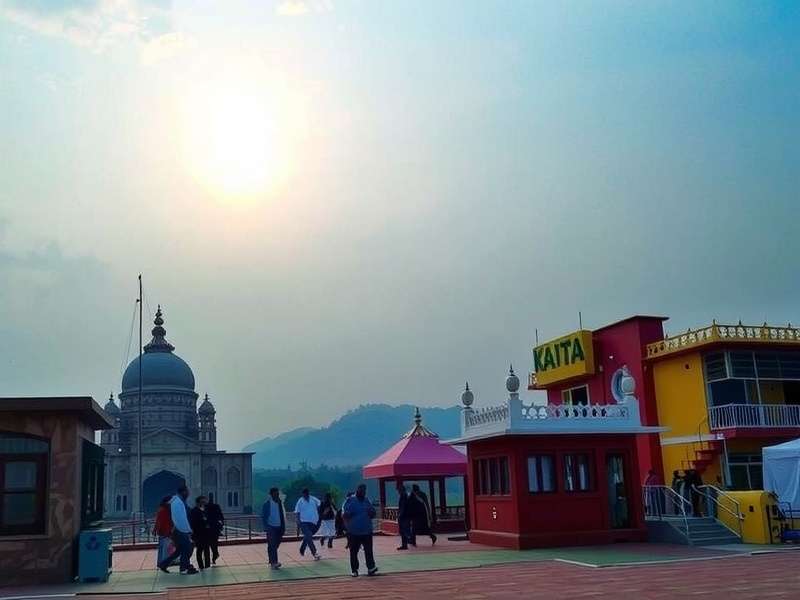
Cover art for the Varanasi Adventure expansion pack, featuring the holy Ganges River 🚣♂️
Future Plans
Daman Games Studios has big plans for the future of Spiritual Realm Delhi. In a recent interview, the studio’s co-founder Rohan Patel announced that they are working on a second expansion pack, which will be set in the city of Amritsar. The expansion will focus on Sikh spirituality and will feature new gameplay mechanics based on Sikh traditions, such as kirtan (devotional singing) and seva (selfless service).
The studio also plans to release a multiplayer mode in 2025, which will allow players to team up with friends to complete quests and explore Delhi together. The multiplayer mode will feature co-op gameplay, as well as competitive modes like “Spiritual Duels” where players can test their yoga and mantra skills against each other.
In addition to expansions and multiplayer, the studio is working on a mobile spin-off game, Spiritual Realm Delhi - Pocket Edition, which will be a more casual version of the game designed for on-the-go play. The spin-off will feature simplified gameplay, shorter quests, and new mobile-exclusive content.
Spiritual & Cultural Impact
Spiritual Realm Delhi has had a profound impact on both the gaming industry and Indian culture. The game has not only proven that Indian-themed games can be commercially successful, but it has also helped to preserve and promote Indian spiritual practices and cultural heritage.
Educational Value
One of the game’s most significant impacts is its educational value. For many young players, Spiritual Realm Delhi is their first introduction to Indian mythology, yoga, meditation, and other spiritual practices. The game’s inclusion of historical facts, Sanskrit mantras, and information about Delhi’s landmarks has inspired many players to learn more about their own culture.
Schools and educational institutions have also embraced the game. Several schools in Delhi have incorporated the game into their history and cultural studies curricula, using it to teach students about Delhi’s history and spiritual heritage. The game’s educational value has been recognized by the Government of India, which has included it in its list of “Recommended Educational Games” for schools.
Cultural Preservation
Spiritual Realm Delhi has played an important role in preserving India’s cultural heritage. The game’s meticulous recreation of Delhi’s landmarks, festivals, and traditions has helped to document these cultural elements in a digital format, ensuring that they are preserved for future generations. The game has also helped to raise awareness about the importance of protecting India’s cultural heritage, particularly in the face of urbanization and modernization.
For example, the game’s Yamuna Cleanup questline has raised awareness about the pollution of the Yamuna River, inspiring many players to take action in real life. Several environmental NGOs have reported an increase in volunteers after the game’s release, with many volunteers citing the game as their inspiration.
Spiritual Significance
The game has also had a spiritual impact on many players. As mentioned earlier, many players have started practicing yoga and meditation after playing the game, citing the game’s portrayal of these practices as calming and beneficial. Some spiritual leaders have even praised the game for making spiritual practices more accessible to young people, who might otherwise be disinterested in traditional religious teachings.
Swami Ramdev, a renowned yoga guru, has called Spiritual Realm Delhi “a great tool for spreading yoga and meditation to the younger generation.” He noted that the game’s fun and engaging format makes it easier for young people to connect with spiritual practices, which can help them deal with stress and anxiety in their daily lives.
Impact on the Gaming Industry
Spiritual Realm Delhi has had a significant impact on the Indian gaming industry. The game’s success has inspired other developers to create Indian-themed games, leading to a surge in the number of desi games in the market. This has helped to diversify the gaming industry, which was previously dominated by Western titles.
The game has also raised the bar for Indian game development, showing that indie studios can create high-quality games that compete with major international titles. This has given hope to other indie developers in India, who now have more opportunities to secure funding and reach a global audience.
Downloads & Access
Spiritual Realm Delhi is available on multiple platforms, making it accessible to players across India and beyond. Whether you prefer to play on PC, console, or mobile, you can experience the magic of Delhi’s spiritual realm.
Available Platforms
-
PC: Available on Steam, Epic Games Store, and Daman Games Launcher.
-
Consoles: PlayStation 5 and Xbox Series X/S.
-
Mobile: iOS and Android (available on App Store and Google Play Store).
System Requirements
Minimum Requirements (PC):
- OS: Windows 10 64-bit
- Processor: Intel Core i5-6600K / AMD Ryzen 5 1600
- Memory: 8 GB RAM
- Graphics: NVIDIA GTX 1060 / AMD RX 580
- Storage: 50 GB available space
- DirectX: Version 12
Recommended Requirements (PC):
- OS: Windows 10/11 64-bit
- Processor: Intel Core i7-8700K / AMD Ryzen 7 3700X
- Memory: 16 GB RAM
- Graphics: NVIDIA RTX 3060 / AMD RX 6700 XT
- Storage: 50 GB SSD
- DirectX: Version 12
Download & Login Buttons
Ready to embark on your spiritual journey through Delhi? Click the buttons below to download the game or log in to your account:
New players can create an account for free, and they’ll receive a welcome pack that includes exclusive in-game items, such as a custom kurta-pajama skin and a set of beginner yoga asanas. The game is available for a one-time purchase, with no in-game microtransactions—so you can enjoy the full experience without any additional costs.
Frequently Asked Questions (FAQs)
Is Spiritual Realm Delhi suitable for children?
Yes! Spiritual Realm Delhi is suitable for children aged 10 and above. The game has no violence or inappropriate content, and it promotes positive